
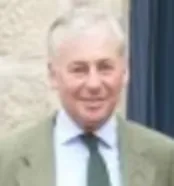
The Lord ForbesThe Baron of Forbes
Lord Forbes (peerage), Chief of the Name
The Right Honourable The Lord Forbes (Malcolm Nigel Forbes, 23rd Lord Forbes, Baron of Forbes, Chief of the Name and Arms of Forbes) premier Lord of Parliament in Scottish peerage
seat Forbes Castle
spouse Carole Lady Forbes
heir Geordie The Master of Forbes
peer addressed as My Lord or Lord Forbes
Credentials
- • Anderson, William (1867). The Scottish Nation. Vol. iv. Edinburgh. p. 228.
- • Grant of 1429/30 (RMS ii, no. 134) to the union of Forbes, Fiddes, Alford and Fintray into the lordship and barony of Forbes in 1594/5 (RMS vi, no. 225). The family still holds Castle Forbes.
- • RMS ii, no. 134, p. 27 (6 Oct. [24th year of James I — Scots Peerage gives 1430; RMS's own marginal year-heading reads 'A.D. 1429']) archive.org/…/1up
A note on terminology: “Scottish feudal barony” or “feudal title” is an incorrect, defunct historical term for extant barons. Baronies were feudal until 28 November 2004, when feudal baronies were abolished and the dignity of baron was retained — an extant barony is no longer “feudal”. The correct term is Scottish barony or Scottish baron (or baron, lord or earl in the Baronage of Scotland, collectively the minor barons of Scotland); never “feudal baron”. Why the term is defunct →
A barony pledged on the Roll of Scottish Barons is treated by the Roll as hereditary and not in commercio. A pledged barony later conveyed outside the family forfeits its recognition on the Roll in perpetuity. What “Hereditary pledged upon the Roll” means →