
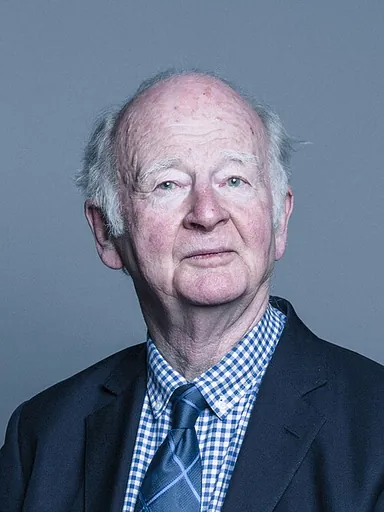
The Earl of GlasgowThe Baron of Fairlie
Baron of Kelburn and Largs, (other titles are peerages)
The Rt Hon The Earl of Glasgow (Patrick Robin Archibald Boyle, 10th Earl of Glasgow, Viscount of Kelburn, Lord Boyle of Kelburn, Stewartoun, Cumbrae, Finnick, Largs and Dalry, Lord Boyle of Stewartoun, Cumbraes, Fenwick, Largs and Dalry, and Baron Fairlie of Fairlie in the peerage - Baron of Fairlie, Kelburn and Largs in the baronage of Scotland - Clan Chief of Boyle)
peer addressed as My Lord or Lord Glasgow
Credentials
- • Fairlie RMS vi, no. 1222, p. 427 (26 July 1601) archive.org/…/1up
- • Kelburn and Largs (within the Earldom of Glasgow) RMS iv, no. 321, p. 75 (29 May 1549) archive.org/…/1up ; RPS, 1704/7/11 (Patent dated 12 April 1703; read/recorded in Parliament 6 July 1704) rps.ac.uk/trans/1704/7/11 ; APS xi, Appendix, p. 134 (not …
A note on terminology: “Scottish feudal barony” or “feudal title” is an incorrect, defunct historical term for extant barons. Baronies were feudal until 28 November 2004, when feudal baronies were abolished and the dignity of baron was retained — an extant barony is no longer “feudal”. The correct term is Scottish barony or Scottish baron (or baron, lord or earl in the Baronage of Scotland, collectively the minor barons of Scotland); never “feudal baron”. Why the term is defunct →
A barony pledged on the Roll of Scottish Barons is treated by the Roll as hereditary and not in commercio. A pledged barony later conveyed outside the family forfeits its recognition on the Roll in perpetuity. What “Hereditary on the Roll” means →