
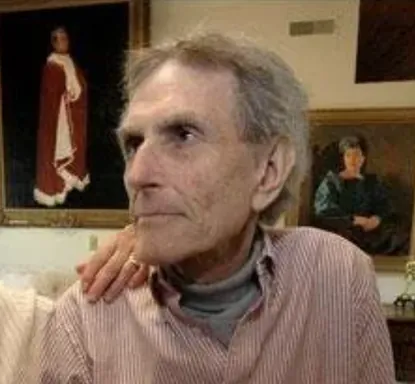
Daniel SharpeThe Baron of Twynehame
The Much Honoured Baron of Twynehame (Daniel Paul Stephen Sharpe of Twynehame, Baron of Twynehame)
died 2007 barony Vacant
Credentials
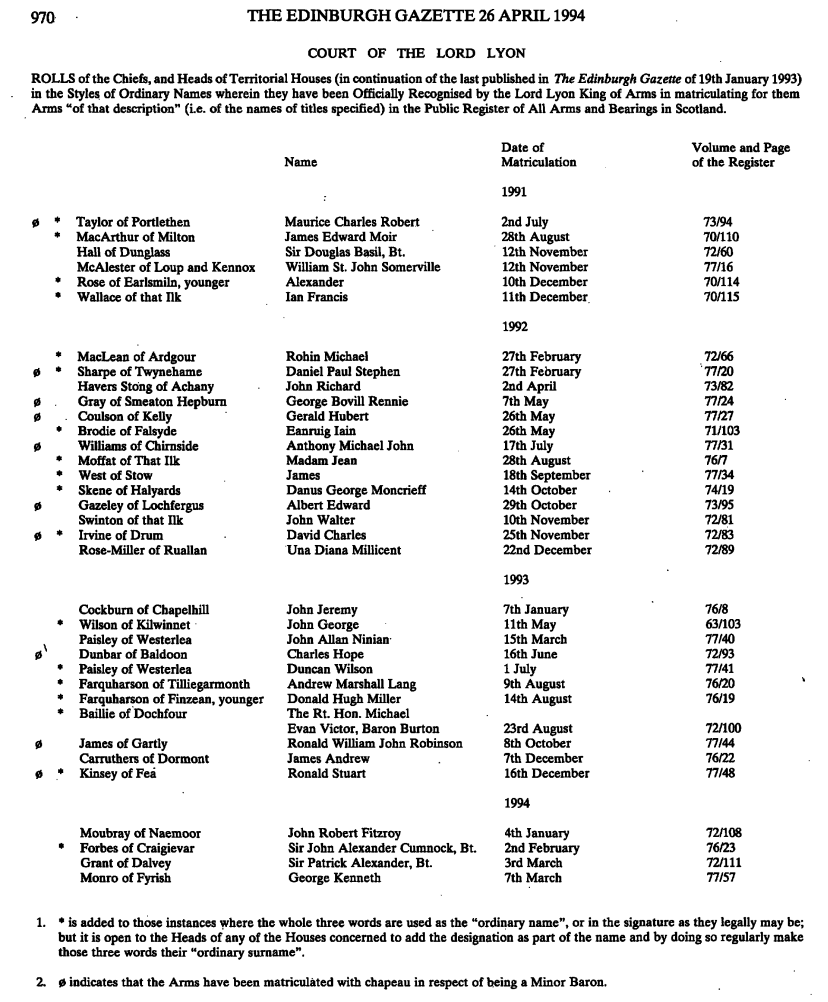
- • Rolls of the Chiefs and Heads of Territorial Houses, Officially-Recognised by Lord Lyon King of Arms 27th Feb 1992 (LXXVII 20), EDINBURGH GAZETTE 1994
- • Burke’s Peerage, 107ed. Burke's Peerage (Genealogical Books) Ltd, 2003, p. 3967 column 2
- • died 5 May 2007, per Find a Grave memorial and grave inscription 'Baron of Tywnehame' findagrave.com/…/daniel_paul-stephen-sha…
- • Daniel Sharpe spent years working with genealogy researchers and legal experts to officially verify his lineage back to the 11th-century Norman conqueror, Walter de Twyneham, who originally established the barony in Scotland. His historical claim was authenticated, and he was officially registered in the Burke's Peerage sandiegouniontribune.com/…/baron-lady-of-twynehame…
Authentication
A note on terminology: “Scottish feudal barony” or “feudal title” is an incorrect, defunct historical term for extant barons. Baronies were feudal until 28 November 2004, when feudal baronies were abolished and the dignity of baron was retained — an extant barony is no longer “feudal”. The correct term is Scottish barony or Scottish baron (or baron, lord or earl in the Baronage of Scotland, collectively the minor barons of Scotland); never “feudal baron”. Why the term is defunct →
A barony pledged on the Roll of Scottish Barons is treated by the Roll as hereditary and not in commercio. A pledged barony later conveyed outside the family forfeits its recognition on the Roll in perpetuity. What “Hereditary on the Roll” means →